Real Estate, Insurance, Mortgage, Home Inspection: One Thing Stands Between You and a New Career
Dozens of well-paying careers share a single barrier to entry: a licensing exam. Here's what the requirements actually look like across six professions.
Millions of careers, one shared hurdle
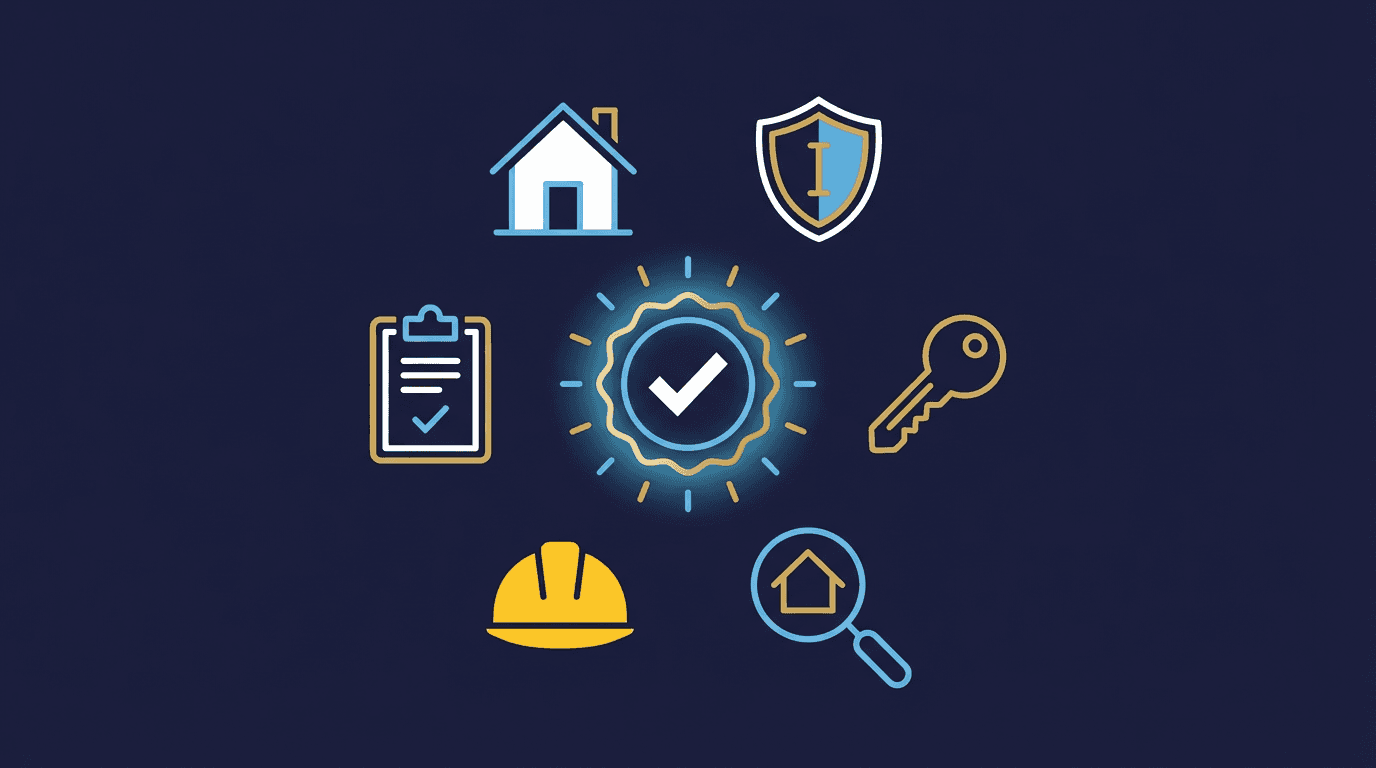
There's a striking pattern hiding in plain sight across the American job market. Real estate agents, insurance brokers, mortgage loan originators, home inspectors, contractors, and appraisers — these are six very different careers with one thing in common: a licensing exam stands between where you are now and where you want to be.
Nearly 29% of Florida's workforce holds some form of professional license, according to the National Conference of State Legislatures. Nationwide, the numbers are similar. If you're considering a career change — or a second income stream — odds are the path runs through a licensing exam.
The good news? These exams are far more accessible than most people think. Let's break down what's actually required.
Real estate: the most popular entry point
Real estate licensing is the gateway career for many professionals looking for flexibility and uncapped income. The requirements vary by state, but here's what you're looking at in two of the biggest markets:
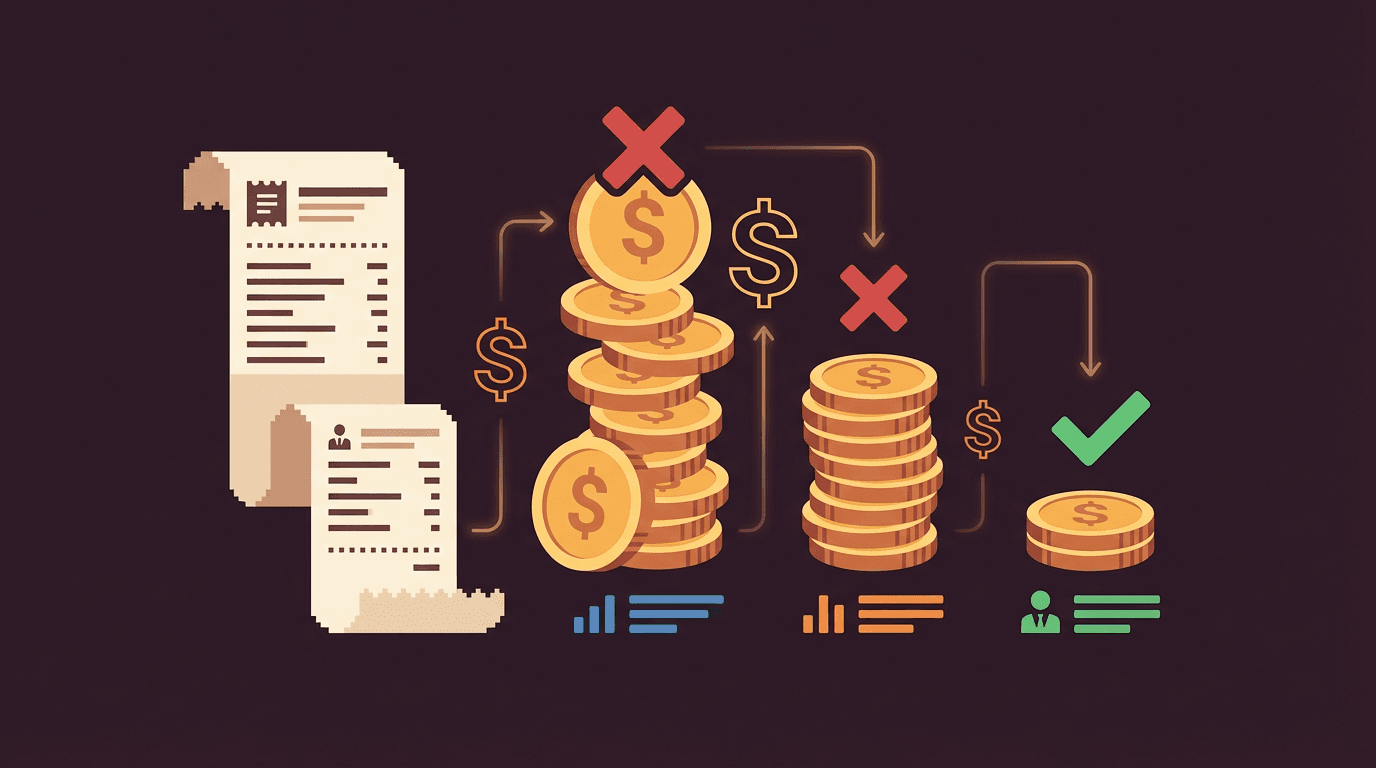
- Florida: 63 hours of pre-licensing education, a state exam fee of $36.75, and a license application of $83.75. Total cost to get started: roughly $440 to $1,110 depending on your course choice.
- New York: 75 hours of pre-licensing coursework, covering everything from property law to agency relationships.
- Texas: 180 hours — one of the most demanding states — but still achievable part-time over a few months.
The Kaplan 2025 survey found that 39% of agents cite financial opportunity as their top motivator, and 54% chose on-demand courses over classroom instruction. People want in — and they want flexibility.
Insurance: faster than you'd expect
Insurance licensing is one of the quickest paths to a professional license. In California, you need 40 to 52 hours of pre-licensing education depending on the license type (Property & Casualty, Life & Health, or Personal Lines). The California Department of Insurance lists exam fees at $55 and license filing at $188.
The barrier is low — but the market is massive. Insurance agents earn a median income of over $57,000, with top performers making well into six figures through commissions and renewals.
Mortgage loan originator: 20 hours and an exam
Becoming a licensed mortgage loan originator (MLO) requires completing 20 hours of NMLS-approved education, passing the national SAFE exam ($110), and registering through the NMLS system. Pre-licensing courses run $200 to $400, and total first-year costs land between $500 and $900 depending on your state.
With the housing market stabilizing in 2026 and refinancing activity expected to pick up, the timing for MLO licensing looks favorable.
Home inspection: hands-on meets exam-ready
Home inspectors combine classroom knowledge with field experience. Florida requires 120 hours of education plus passing an approved exam like the NHIE ($225). New York requires 140 hours of approved education. You'll also need at least $300,000 in general liability insurance.
It's more involved than some licenses, but home inspectors are in constant demand — every real estate transaction typically requires one.
Contractor licensing: higher stakes, higher reward
Contractor licensing varies widely by state and specialty. In Florida, the total initial investment runs $1,500 to $4,000 when you factor in exam fees ($60–$100 per attempt), application fees, surety bonds, and insurance. It's the most expensive license on this list, but licensed contractors command significantly higher rates than unlicensed workers — and in Florida, practicing without a license can mean jail time.
Appraisal: the analytical path
Real estate appraisers need 75 to 150 hours of qualifying education depending on the credential level, plus supervised experience. It's a longer runway than most licenses on this list, but appraisers fill a critical role in every mortgage transaction and enjoy steady, recession-resistant demand.
The common thread
Look at these six careers side by side and a pattern emerges:
- Pre-licensing education ranging from 20 hours (MLO) to 180 hours (TX real estate)
- Exam fees from $37 to $250
- Total startup costs from under $500 to a few thousand dollars
- No four-year degree required for any of them
Compare that to the cost and time of a bachelor's degree, a law license, or medical school, and it's clear: these professions offer a remarkably accessible on-ramp to well-paying work.
The barrier isn't talent or education. It's preparation. The licensing exam is the single gate you need to walk through — and how you prepare for it makes all the difference.
A better way to prepare
Most people default to long, expensive online courses that try to cram dozens of hours into weekends. But there's growing evidence that shorter, daily study sessions — microlearning — produce better results with less stress.
Prentiz delivers daily micro-lessons and adaptive quizzes straight to your WhatsApp. No app to download, no hours-long sessions — just consistent, bite-sized learning that fits around your life. Whatever license you're working toward, the exam is the common thread. The question is how you choose to prepare for it.